
Weekly demos beat milestone gates. This is not a close call.
Two ways to run a project. One produces clean burndown charts, the other produces software people actually want to use. We've tried both.
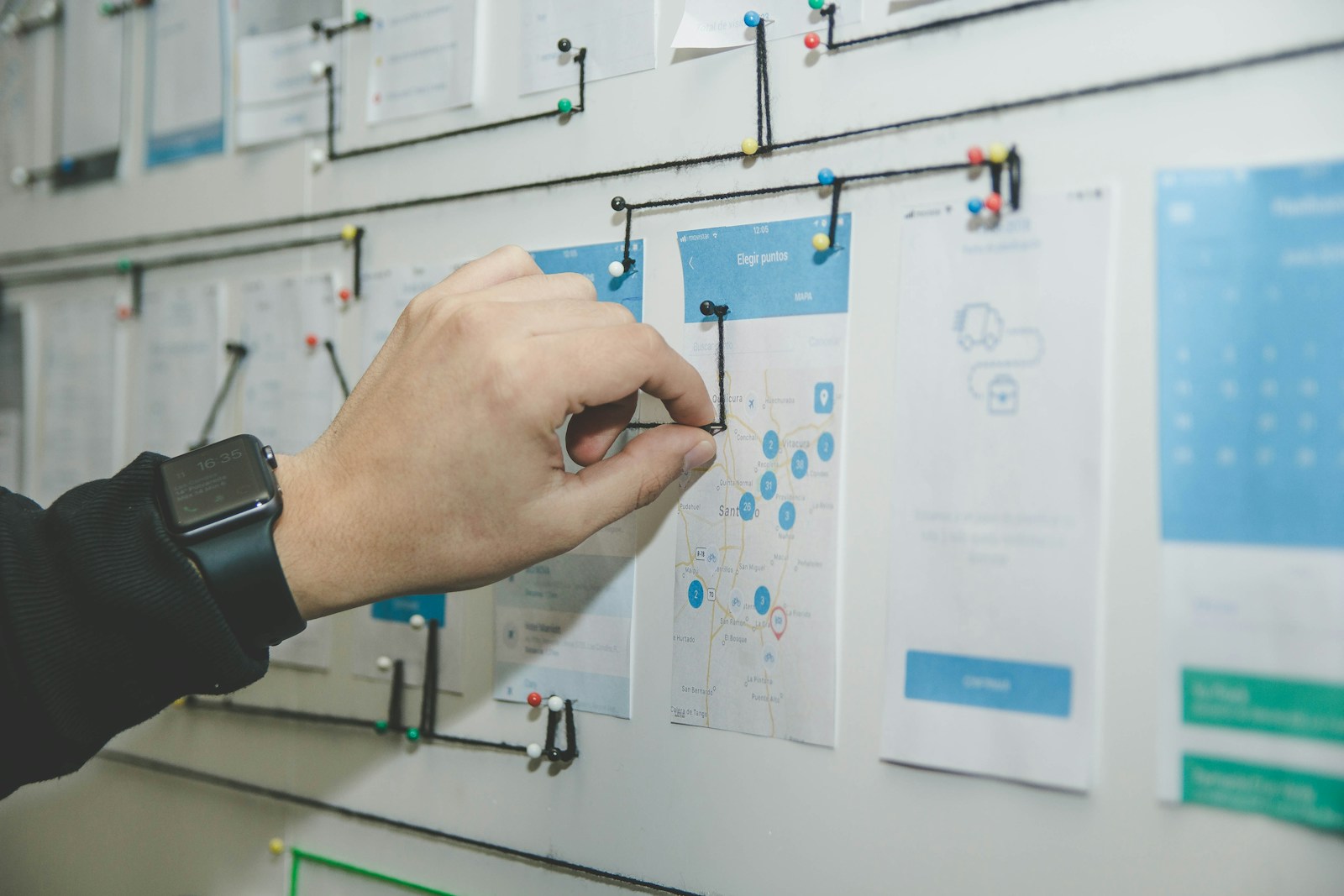
We've run projects both ways.
Milestone-gated projects, where you don't show the client working software until a defined checkpoint, produce a particular kind of misalignment that only becomes visible when it's expensive to fix. You can write a perfect spec and still end up building the wrong thing, because the act of seeing something working reveals assumptions that no amount of written specification could surface.
We now treat every Friday as a demo day on active projects, even when the thing being demoed is ugly, partial, or embarrassing. Early feedback on ugly things is orders of magnitude cheaper than late feedback on polished things.
What we changed
The shift looks small from the outside. We added a recurring 30-minute slot on Friday afternoons. Anyone on the project can attend. The dev who built the thing demos it. We talk about what's working, what isn't, and what we're going to change before next Friday.
What's harder is what we had to give up. We stopped writing 60-page specs. We stopped trying to scope everything before starting anything. We accepted that some demos would feel like we hadn't moved at all, and that's information too.
You can write a perfect spec and still end up building the wrong thing, because the act of seeing something working reveals assumptions no amount of written specification could surface.
Internal note, written down so we remember it
Who this works for
Clients who appreciate this are the clients we want to work with. Clients who want to see a polished thing at the end of a long quiet stretch are clients we are honest with up front: that's not how we do it, and trying to fake it for them produces worse outcomes for everyone.
The clients who push back hardest are usually the ones who've been burned by the opposite — they've seen agencies show them progress that wasn't actually progress, demos that were Photoshop, polished mockups that bore no relation to what the engineering team was doing. We understand why they're sceptical. We're trying to do something different.